Moving abroad with children is never just a paperwork exercise — it’s a decision that reshapes a family’s whole rhythm of life. In this episode, Elena Bykovets, CEO and Founder of RelyOn Relocation®, talks with UK blogger Abbie Katie, who moved with her husband, three children, and two dogs from the UK to Portugal in 2022.
Abbie shares what pulled her family toward Portugal, what surprised her once they arrived, and how everyday life — schools, safety, and costs — actually looked once the sunshine met reality. This is the first of two conversations. In this part, we look at the decision itself and what daily family life in Portugal is really like.
Elena: Our topic today is life in Portugal as an expat family. Abbie, before we start, would you introduce yourself?
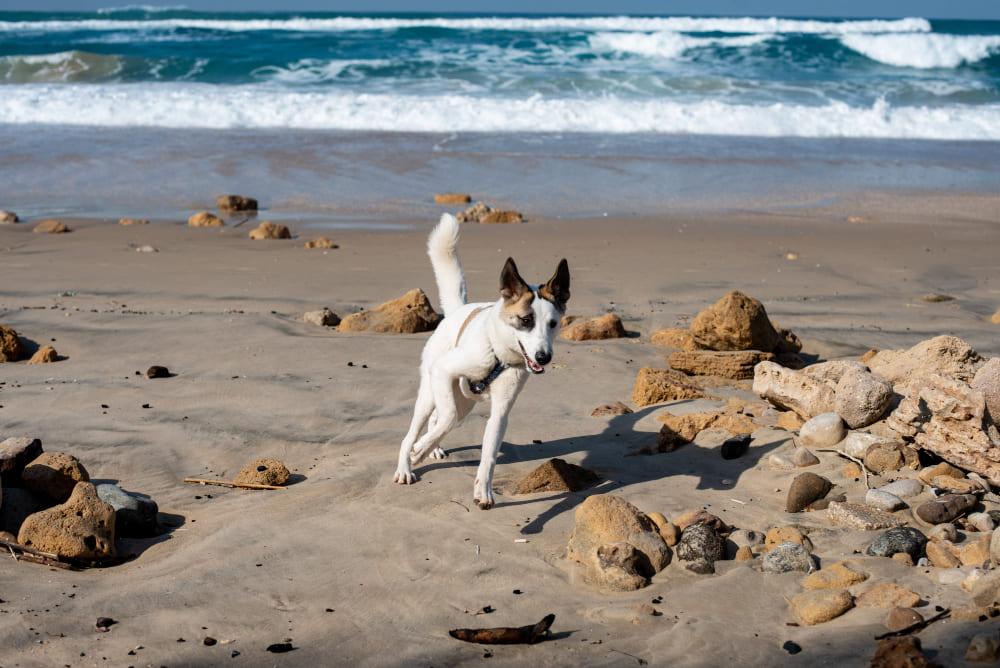
Abbie: Of course. I’m Abbie, originally from the UK. We moved to Portugal in 2022 with our three children and two dogs. We’ve recently moved to Denmark for my husband’s job, but we’ve kept our house in Portugal — we may well go back.
Elena: Why did your family choose Portugal, and did reality match your expectations?
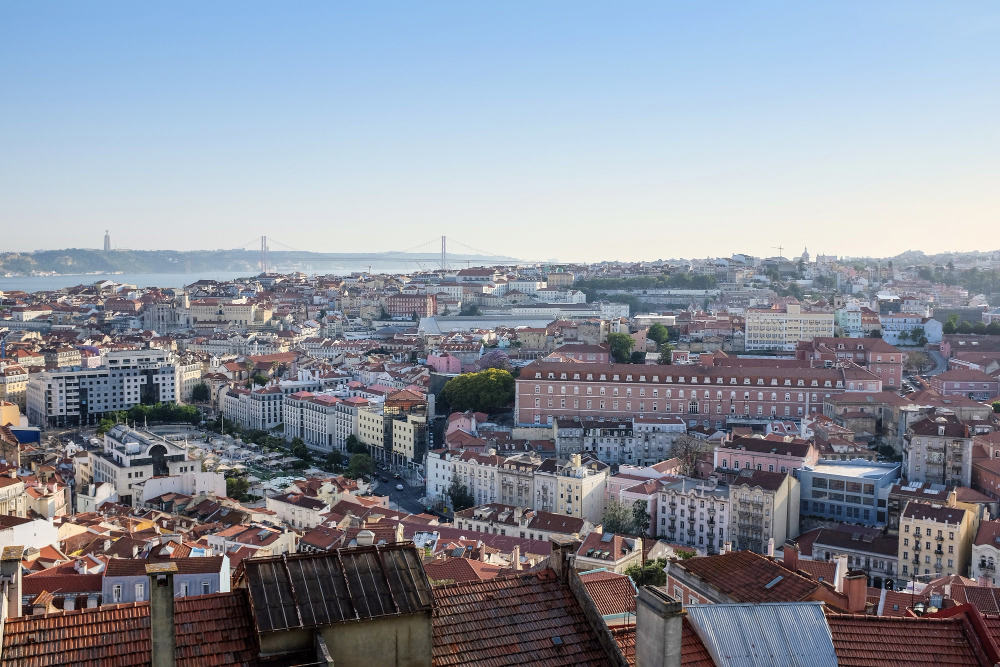
Abbie: The weather was one of the biggest reasons — the sun and the ocean, honestly. We’d both started working remotely after COVID, so it became a real option. Safety for our children mattered enormously to us, and the cost of living was another big factor. We could give our kids more in Portugal than we could in the UK. The NHR incentive played a role too.
Elena: It’s worth mentioning — that regime still exists, just under a different name now: IFICI. There are new restrictions, but for certain professional categories, it can actually be even more favourable.
Abbie: Good to know. As for expectations — most of it matched reality. The weather is beautiful, though we had one of the worst rainy winters last year. Portugal really is safe for children, and the cost of living, while cheaper than the UK, has risen since 2022.
Elena: Why Portugal over Spain or France?
Abbie: We’d visited a few times and simply preferred it — better weather than France, and compared to Spain, it felt like there were fewer expats, so we thought integration would be easier. We loved how child-friendly it was. It felt like our children could stay children for longer here.
Elena: What surprised you the most after arriving?
Abbie: How difficult the paperwork was. I assumed getting a NIF and a NISS number would be simple, but it took two years to get my NISS — nobody was willing to give it to me, even though I just wanted to pay social security.
Elena: That’s exactly the part of relocation people underestimate — different bureaucracy, different language, different rules depending on where you go.
Abbie: Exactly. We did it all ourselves, and looking back, I’d definitely get professional help next time. But despite the hassle — yes, I would make the same decision again. We grew so much as a family.
Elena: Let’s talk about everyday life. How did your children adapt, and how did you choose their schools?
Abbie: My twins, who were two, adapted instantly. My eldest, who was four and remembered school in England, found it harder at first — the Portuguese approach is to fully immerse children in the class and the language. We started him in an international school, then moved him to a Portuguese private school so he’d learn the language properly. All three are now fluent — it took about a year to eighteen months.
Elena: And safety?
Abbie: We felt completely safe. You can feel the difference compared to the UK.
Elena: Portugal ranks seventh in the world for safety — a very different picture from many other countries.
Abbie: The Portuguese school system itself was interesting too — very structured, lots of writing from the board, but also wonderful outdoor classes, like beach clean-ups. PE was less structured than in the UK, more play than formal rules. It really depends on the child — one of my friend’s sons thrives on it; my eldest, who’s more active, found sitting all day harder.
Elena: And costs — would you be comfortable sharing what a family spends on children each month?
Abbie: Private school for all three came to about €2,400 a month, over ten months — so roughly €8,000 per child per year. That’s still much cheaper than the UK, though it varies a lot by school and region — Lisbon is pricier. Food for our family of five was about €800–900 a month, plus clubs — football, guitar, athletics. Eating out as a family of five was around €80–100.
Elena: And that’s without alcohol — Portuguese wine is famously affordable too.
Abbie’s story shows how much reality can align with expectations when the fundamentals — safety, climate, and cost of living — genuinely hold up. But it also shows that paperwork and bureaucracy are where most families underestimate the process.
In Part 2, we’ll dig into the lessons Abbie’s family learned along the way — what turned out better than expected, what was harder, and what she’d tell any family planning their own move to Portugal today.