
Social adaptation in Portugal
In previous episode we discussed about new roles after moving to Portugal. In this podcast, Elena and Tatiana move to the third topic — social adaptation in Portugal and how your social circle changes when you move, how loneliness appears, and how to build new connections in Portugal.
Elena: In our last talk we spoke about how we share responsibilities and how delegating tasks can protect the family’s energy. The next layer is people around us. When you move, your circle of friends changes a lot, and this strongly influences both your mood and your relationship.
Tatiana: I see this all the time. Some people are very social: they have hobbies, sports, a dog — and these are natural entry points into communication. But many clients, especially in IT, are introverts. For them, going out and meeting new people is not easy. They move and quite quickly face loneliness. And this can happen both when you move with your family and when you move alone.
There is a term “loneliness in a crowd”. You see many people around, but you feel no emotional connection and no support. In emigration, this is very common. You may be in a beautiful city, with cafes, people, the ocean, but inside you feel empty. In that moment, all emotional weight falls on your partner or on one closest person.
Elena: In our work and personal life we see very different styles. Some people actively join professional communities, clubs by interest, parent chats. Others close into a “triangle” of home, work and supermarket. After a few months they say: “I do not have any friends here”, although there are many possible spaces for connection.
Tatiana: A good way is to “create a funnel of communication”. This means not waiting for friends to appear by magic, but going into spaces where you have a chance to meet your kind of people. It can be sports, language classes, professional events, parent groups, hobby clubs. If you go out ten times, usually one or two of those meetings bring someone you really like.
Elena: Portugal actually has many communities. There are parent clubs, sports groups, women’s networks, professional meet‑ups. There are also local hobby groups — for example, paddle or tennis — where people meet through shared activity. Very often such formats become the beginning of real friendship.
Tatiana: When you have children, some part of social life builds itself: kindergarten, school, after‑school activities, parent chats. If you move alone, it can be harder at first. But the principle is the same: sports, interests, themed meet‑ups, language practice. The main thing is to stop waiting for someone to knock at your door and gently push yourself to “go out” regularly.
Elena: Another important question concerns cities. People often ask: “Which city in Portugal is better for a family move?” The honest answer is: it depends on your lifestyle. But there are clear points. Lisbon has a large international community, good infrastructure, many types of schools and an airport nearby. Porto offers a calmer rhythm and a family atmosphere, while still being a lively city. Suburbs of Lisbon and Porto can give more space, quiet streets and quick access to the ocean.
Tatiana: Social life is important for children too. International or local schools, clubs and courses help them feel included and not “between worlds”. For adults, these same places become a way to meet others who are going through similar changes. At the same time, it is useful to slowly enter Portuguese communities too, so you do not live only in your “native language‑speaking bubble”.
Elena: A frequent question is how to make local friends if your Portuguese is not good yet?
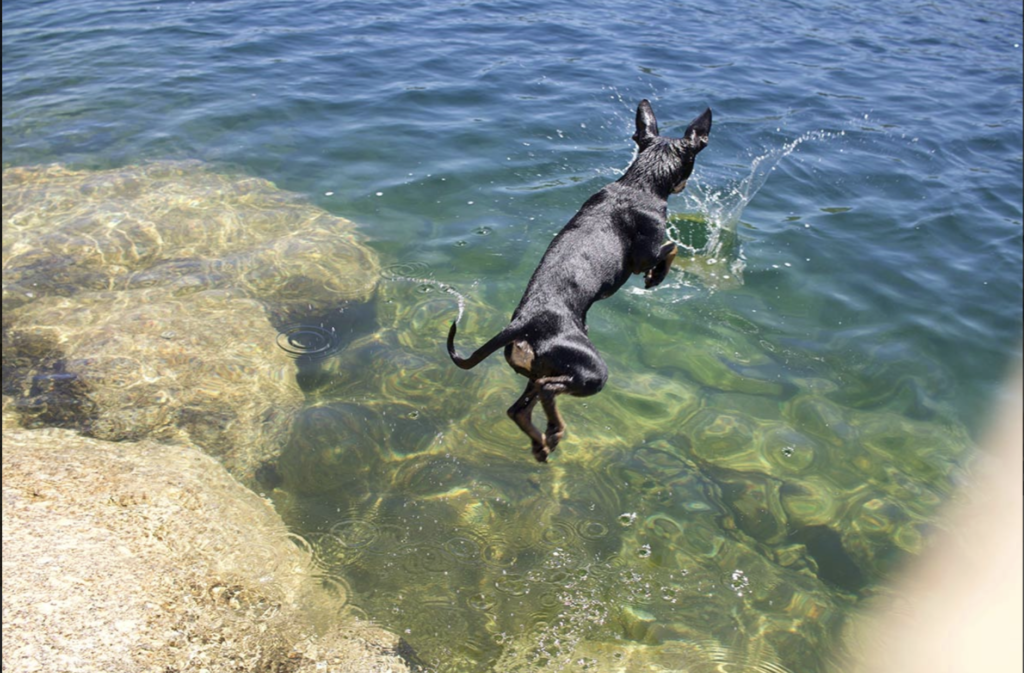
Tatiana: Here small, regular rituals help a lot. For example, I have a dog and I walk in the same area every morning. Dog owners see each other, start to say hello, then talk about dogs, and over time become friends. In Portugal, people usually like when you try to speak their language, even with mistakes.
The most important question I often suggest couples ask each other is: “What do I really miss right now?” Is it social events? Deep conversations? Silence? Museums? Just sitting by the ocean? Many people wait for everything to be “perfectly organised” before they allow themselves to live. But life is already happening. Communication is part of life, not a bonus after it.
Elena: Questions about cities in Portugal come up again and again. Lisbon, Porto, Faro are natural choices if you fly often and need an airport. If your family is not tied to flights, there are many more options: smaller coastal towns, green suburbs, places that are good for remote workers or for retirement. We share a lot of practical information about social adaptation in Portugal, cities, schools and services on our website and social media.
The RelyOn Relocation® team helps turn relocation into a clear, step‑by‑step process: from choosing a city and preparing documents to insurance, mortgages and everyday services that save your time and energy.
Book a consultation — the first step toward a calmer, better‑structured life starts here.